
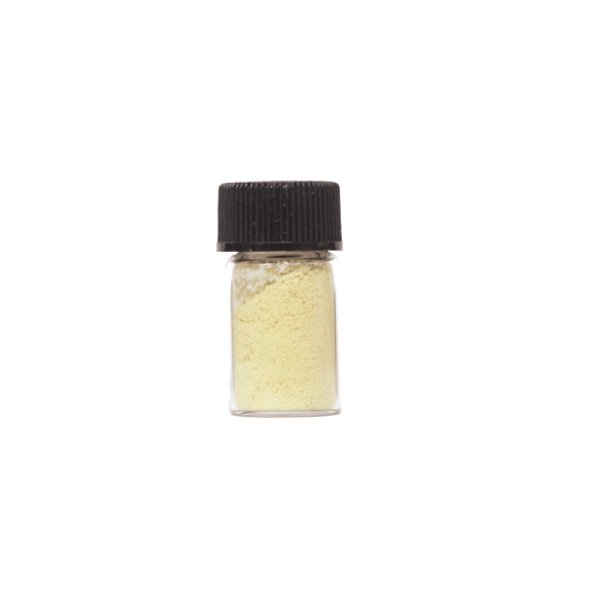
Description
DMT for Sale – N,N-Dimethyltryptamine Information & Research
DMT for sale is a commonly searched phrase relating to N,N-Dimethyltryptamine (DMT), a naturally occurring tryptamine compound that has attracted considerable scientific interest because of its pharmacological properties and interaction with serotonin receptors.
This page provides general information about DMT, including its chemical characteristics, pharmacology, scientific research, reported effects, potential risks and legal classification in the United Kingdom.
This page provides general information about dimethyltryptamine, including its chemical characteristics, pharmacology, research history, reported effects, potential risks and legal classification in the United Kingdom.
What Is DMT?
DMT is short for N,N-Dimethyltryptamine. Chemically, it belongs to the tryptamine family of compounds and is structurally related to the neurotransmitter serotonin.
DMT is primarily known for producing intense and short-lasting psychedelic effects when administered through certain routes. Its unusual pharmacological profile has made it a subject of neuroscience, pharmacology and clinical research.
DMT Chemical Information
| Common Name | DMT |
| Chemical Name | N,N-Dimethyltryptamine |
| CAS Number | 61-50-7 |
| Molecular Formula | C12H16N2 |
| Compound Family | Tryptamine |
How Does DMT Work?
DMT interacts with several receptors in the nervous system. Scientific research has particularly examined its activity at serotonin receptors, including the 5-HT2A receptor that is strongly associated with the effects of classical psychedelic compounds.
Its pharmacology is more complex than interaction with a single receptor, however, and researchers continue to investigate the mechanisms responsible for its neurological and subjective effects.
How Long Do DMT Effects Last?
The duration of DMT’s effects depends considerably on the route of administration and other factors. When inhaled or administered intravenously in controlled research settings, the onset can be extremely rapid and the most prominent subjective effects are comparatively short-lived.
Orally consumed DMT behaves differently because the compound is normally broken down rapidly by monoamine oxidase enzymes. This pharmacological difference is important when interpreting research involving DMT-containing preparations.
Reported DMT Effects
Clinical and observational research has documented a range of subjective effects associated with DMT. These can vary substantially between individuals and circumstances.
Reported experiences can include:
- Significant changes in visual perception
- Altered perception of time and surroundings
- Changes in thought and emotional processing
- Intense visual imagery
- Changes in sense of self
- Powerful emotional experiences
These effects should not be interpreted as predictable outcomes. Individual responses can vary significantly, and psychedelic experiences can also be distressing or psychologically challenging.
Scientific Research Into DMT
DMT has been investigated across several areas of scientific research. Earlier work focused heavily on its pharmacology and unusual subjective effects, while more recent research has also examined its potential relevance to neuroscience and mental-health research.
Areas of scientific interest include:
- Serotonin receptor activity
- Neuropharmacology
- Changes in brain activity during altered states of consciousness
- Consciousness research
- Psychological and subjective effects
- Pharmacokinetics and metabolism
- Potential clinical applications of short-duration psychedelics
Research into potential therapeutic applications remains an evolving field. Early or experimental findings should not be interpreted as establishing DMT as an approved treatment for a medical or psychiatric condition.
DMT and Serotonin Receptors
One reason DMT attracts scientific attention is its relationship with the serotonergic system. Like several other classical psychedelics, DMT has activity at serotonin receptors.
The 5-HT2A receptor has received particular attention because activation of this receptor is strongly associated with psychedelic effects. Researchers continue to investigate how receptor activity translates into the complex changes in perception, cognition and consciousness reported in controlled studies.
Natural Occurrence of Dimethyltryptamine
DMT is not exclusively a laboratory-created substance. It occurs naturally in numerous plant species and has been detected in biological systems.
Its natural occurrence has contributed to scientific interest in how the compound is produced, metabolised and processed within living organisms.
DMT Risks and Adverse Effects
DMT can produce extremely intense psychological effects. Potential adverse experiences can include anxiety, panic, confusion, disorientation and distressing changes in perception.
Physiological responses reported in research can also include changes in heart rate and blood pressure. Risk can depend on numerous factors, including individual health, other substances or medications, dose, route of administration and environment.
Scientific interest in a substance does not mean that its non-medical use is safe.
DMT Research and Product Claims
Claims concerning purity, concentration, composition or laboratory testing should be supported by appropriate analytical documentation. Terms such as “research grade” or “high purity” do not independently establish the chemical composition of a substance.
Where analytical information is relevant, researchers typically rely on appropriate laboratory methods and batch-specific documentation rather than appearance or marketing terminology alone.
DMT Legal Status in the UK
DMT is controlled in the United Kingdom as a Class A drug under the Misuse of Drugs Act 1971. Its production, supply and possession are subject to strict legal controls.
Descriptions such as “research material,” “research use only” or “not for human consumption” do not by themselves override applicable controlled-drug legislation. Organisations conducting legitimate controlled-substance research generally require the appropriate licences and regulatory authorisation.
Frequently Asked Questions About DMT
What does DMT stand for?
DMT stands for N,N-Dimethyltryptamine, a psychoactive compound belonging to the tryptamine family.
Is DMT naturally occurring?
Yes. DMT occurs naturally in a number of plant species and has also been detected in biological systems.
What is the molecular formula of DMT?
The molecular formula of N,N-Dimethyltryptamine is C12H16N2.
What is the CAS number for DMT?
The CAS Registry Number commonly associated with N,N-Dimethyltryptamine is 61-50-7.
Why is DMT studied by scientists?
DMT is studied because of its pharmacology, interaction with serotonin receptors, rapid and unusual subjective effects, and potential value for understanding consciousness and altered states. Clinical researchers are also investigating possible therapeutic applications of short-duration psychedelic compounds.
Is DMT an approved treatment for depression?
DMT is being investigated scientifically, including in research related to mental-health conditions. Experimental research should not be interpreted as meaning that DMT is an established or approved treatment.
Is DMT legal in the UK?
DMT is classified as a Class A controlled drug in the United Kingdom and is subject to strict restrictions under UK controlled-drug legislation.
Does calling DMT a research chemical make it legal?
No. Describing a controlled substance as a research chemical or stating that it is intended for research does not by itself change its legal classification. Legitimate controlled-substance research is subject to applicable licensing and regulatory requirements.
About Dimethyltryptamine Research
DMT (N,N-Dimethyltryptamine) remains an important subject within psychedelic science, neuropharmacology and consciousness research. Its rapid pharmacological action and interaction with serotonergic systems have contributed to continuing scientific investigation.
At the same time, research findings should be interpreted carefully. Questions concerning therapeutic potential, long-term effects, mechanisms of action and clinical applications continue to require controlled scientific investigation.


Reviews
There are no reviews yet.