
What is Medical Cannabis?
Medical cannabis refers to cannabis-based medicinal products (CBPMs) prescribed by a specialist doctor to treat specific health conditions. In the UK, CBPMs have been legal to prescribe since November 2018, when the government rescheduled them from Schedule 1 to Schedule 2 controlled drugs .
Unlike recreational cannabis, medical cannabis is produced to pharmaceutical standards. It is dispensed by a GPhC-registered pharmacy and must be prescribed by a specialist clinician on the General Medical Council (GMC) register . Only a specialist doctor – not a GP – can prescribe CBPMs in most cases .
Product Types Available:
| Product Type | How It Is Used | Common Uses |
|---|---|---|
| Dried flower (herbal) | Vaporised – never smoked | Chronic pain, PTSD, sleep disorders |
| Oil (sublingual) | Drops under the tongue | Anxiety, epilepsy, nausea |
| Capsules | Swallowed like a tablet | Consistent dosing, chronic conditions |
| Vape cartridge | Inhaled via medical vaporiser | Fast-acting relief, pain, anxiety |
How Do You Get a Medical Cannabis Prescription?
A prescription for medical cannabis is issued only after an individual medical assessment. Doctors evaluate your diagnosis, previous treatment attempts, tolerability, pain level, sleep quality, and other factors to determine whether cannabis therapy is justified and medically appropriate.
Step-by-Step Process:
Step 1: Register as a Patient
Complete an online registration form. You will need to provide your name, contact details, and a brief summary of your condition. You do not need a referral from a GP or other doctor – you simply need to agree to share your GP summary care record .
Step 2: Eligibility Assessment
The clinical team reviews your medical history and confirms whether you are likely to qualify for a CBPM prescription. They may ask for GP records or specialist letters .
Step 3: Specialist Consultation
You will have a video consultation with a specialist clinician. They will review your case in full and – if appropriate – issue a prescription. Your appointment will focus on understanding your full picture and choosing a careful, responsible route if medical cannabis is being considered .
Step 4: Prescription Dispensed
Your prescription is processed by a GPhC-registered pharmacy. Products are dispensed to pharmaceutical standards and delivered securely and discreetly to your door . All products are EU GMP certified .
Step 5: Ongoing Support
Your clinician will schedule follow-up appointments to review your treatment, adjust your prescription if needed, and ensure you are getting the best possible outcome. Follow-ups commonly cover symptom response, side effects, dose adjustments, and repeat prescription planning .
Understanding Cannabinoids in Medical Cannabis
Cannabinoids are active compounds produced in the trichomes of the cannabis flower. They interact with CB1 and CB2 receptors of the endocannabinoid system. The best-known cannabinoids are THC and CBD. In addition, there are over 100 others, such as CBG, CBC, and CBN .
The interplay of all cannabinoids determines the effect, efficacy, tolerability, and therapeutic range.
THC: Effective for pain, spasticity, loss of appetite, and sleep problems. THC is the psychoactive compound associated with the euphoric effect that it produces .
CBD: Calming, anti-inflammatory, anxiolytic; balances THC. CBD is non-intoxicating, which means it doesn’t have a euphoric effect. It is often used to treat conditions such as pain, inflammation, and ADHD .
CBN / CBG / CBC: Mild effects in the entourage effect .
Medical cannabis is produced to EU GMP (Good Manufacturing Practices) and is grown organically under strict conditions. The EU GMP ensures quality control and that patients know what they are getting .
Discover How Medical Cannabis Can Help You at Kush King UK
Welcome to Kush King UK, your trusted source for cannabis education and premium products. Medical cannabis has become an established form of therapy in the UK for numerous illnesses and symptoms. Its effects are based on cannabinoids such as THC and CBD, which influence pain perception, sleep, mood, appetite, and muscle tension via the endocannabinoid system. A doctor’s prescription is required for any therapy.
This comprehensive guide explains everything you need to know about medical cannabis in the UK – from eligibility and prescriptions to products, effects, and frequently asked questions.
Key Facts:
Who Is Eligible for Medical Cannabis?
Eligibility is assessed on a case-by-case basis by a specialist clinician. There is no single approved list of conditions, but CBPMs are most commonly prescribed for the following :
Common Conditions Treated:
Chronic pain (neuropathic, fibromyalgia, musculoskeletal)
Anxiety disorders (GAD, PTSD, social anxiety)
Multiple sclerosis – spasticity and pain
Epilepsy – especially treatment-resistant forms
Cancer-related symptoms (nausea, pain, appetite loss)
Sleep disorders linked to chronic conditions
ADHD – increasingly prescribed off-label
Inflammatory conditions (Crohn’s disease, IBD)
In most cases, a clinician will want to see evidence that you have already tried at least two conventional medications for your condition without adequate relief. This is known as the “treatment-resistant” pathway . You may be eligible if you are 18 or older, live with a physical or mental health condition, and haven’t had enough relief from standard treatments such as medication, physiotherapy, or talking therapy .
Terpenes – Aroma, Taste, and Effects
Terpenes are aromatic plant compounds that not only determine the smell and taste of cannabis but also actively influence its effects. They are produced, just like cannabinoids, in the trichomes of the flowers and work together with THC and CBD in the so-called entourage effect .
Therapy isn’t just about the pure THC or CBD content. Two strains with identical THC levels can feel significantly different – this is precisely where terpenes come into play. Terpenes can calm, activate, balance, or focus, and influence how intensely or pleasantly THC is perceived .
Common Terpenes in Medical Cannabis:
| Terpene | Aroma | Effects |
|---|---|---|
| Myrcene | Earthy, spicy | Rather calming, physically relaxing |
| Limonene | Citrusy | Mood-lifting, activating |
| Linalool | Floral | Relaxing, sleep-inducing |
| Pinene | Fresh, resinous | Clear head, improves concentration |
| Caryophyllene | Peppery | Potentially anti-inflammatory |
Doctors often consider terpene profiles in relation to the time of day. Varieties with energizing terpenes are more suitable during the day, while calming profiles are often used in the evening or for sleep problems
Genetics – Sativa, Indica, and Hybrid
Cannabis strains are broadly divided into three genetic types: Sativa, Indica, and Hybrid. These terms originally described the botanical origin of the plants, but today are primarily used to roughly categorize the expected effects .
It is important to note that the Indica/Sativa myth has persisted for ages. The effect of cannabis is not determined by genetics alone, but by THC content, CBD content, and the terpene profile .
Sativa: Sativa strains are known for their more stimulating and uplifting properties. These strains, in their purest form, have higher levels of THC, which can boost energy levels and improve mood. Sativa strains are sometimes recommended to help with symptoms of depression, fatigue, or to stimulate appetite .
Indica: Indica strains are generally known for their relaxing, ‘body’ based effects and are often used to help with sleep or chronic pain. Studies have shown that Indica strains are more commonly recommended for relieving chronic pain, insomnia, and anxiety due to their ability to promote physical relaxation .
Hybrid: Hybrid strains combine effects from both Indica and Sativa, making them useful for different therapeutic needs. By blending different strains, hybrids can have specific CBD and THC levels, which allows doctors to offer more tailored treatments
Your content goes here. Edit or remove this text inline or in the module Content settings. You can also style every aspect of this content in the module Design settings and even apply custom CSS to this text in the module Advanced settings.
Medical Cannabis Products Available in the UK
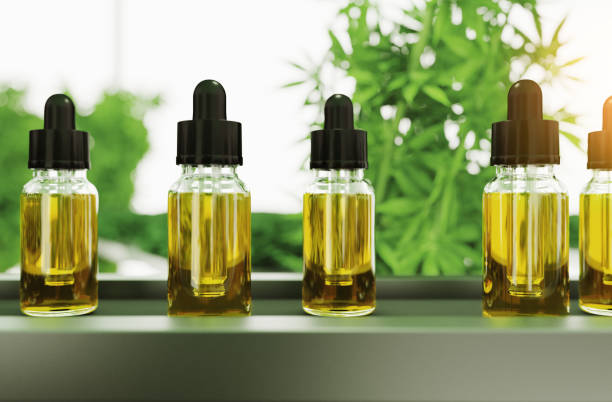
In the pharmacy you will only receive tested, standardized products. Each form has its own effect profile and various applications .
Cannabis Flowers: A Natural Form for Inhalation
Cannabis flowers contain the full cannabinoid and terpene profile. They are usually vaporized because the effects are felt quickly and the dosage is flexible. Differences arise from genetics, THC/CBD content, and terpene profile .
Cannabis Extracts: Concentrated, Precisely Dosable
Extracts are highly standardized and suitable for consistent, predictable effects. They contain defined THC/CBD ratios and are taken orally. They are ideal for chronic conditions .
Finished Medicinal Products
Medical cannabis is available in various forms. Dronabinol, capsules, or sprays are used less frequently, but they complement the therapeutic spectrum .
How Much Does Medical Cannabis Cost in the UK?
Cost is one of the most common questions patients ask. The NHS does not routinely fund medical cannabis prescriptions, so most patients pay privately. Here is a realistic breakdown :
| Cost Item | Typical Range |
|---|---|
| Initial consultation | £200 |
| Follow-up appointments | £95 per quarter |
| Monthly prescription (flower) | £100 – £350 per month |
| Monthly prescription (oil) | £80 – £250 per month |
| Annual total (approximate) | £1,500 – £5,000+ |
Some clinics offer lower initial consultation fees, such as £20, with clinic fees starting from £5 per month and dried flower from £4 per gram .
“The current evidence suggests greater promise [for medical cannabis] in fibromyalgia than in inflammatory conditions such as rheumatoid arthritis. But we urgently need well-designed randomized controlled trials with adequate durations and representative samples to clearly establish efficacy and safety.”
“Clinicians should counsel the following subgroups of patients that the harms of cannabis or cannabinoid use for chronic noncancer pain are likely to outweigh the benefits: young adult and adolescent patients, patients with current or past substance use disorders, patients with serious mental illness, and frail patients and those at risk for falling.”
My Blog
Medical Weed UK
Medical Weed UK: Legal Prescription Guide 2025 If you have been searching for medical weed UK information, you have likely encountered confusion. Is it legal? Can your GP prescribe it? How much does it cost? Here is the straightforward answer: Yes, medical weed is...
Medical Cannabis UK
Medical Cannabis UK: Legal Access & Prescription Guide 2025 Accessing medical cannabis UK legally is more straightforward than many people realise — but the process looks nothing like the recreational market or the CBD products on your local high street. Since...
Medical cannabis represents a legitimate, specialist-led treatment option for UK patients living with chronic conditions. Since legalisation in 2018, access has improved significantly, with over 75,000 patients now holding valid prescriptions . The pathway is clear: specialist consultation, prescription, pharmacy dispensing, and ongoing monitoring. If you are living with persistent symptoms and feel you have run out of options, a medical cannabis consultation can give you clarity on what is realistic, what is safe, and what happens next
Frequently Asked Questions
Learn How it Works!
For which illnesses is cannabis prescribed?
A prescription is possible if other therapies have not been sufficiently effective. Common conditions include chronic pain, neurological disorders, sleep problems, loss of appetite, and certain psychological symptoms
Is medical cannabis intoxicating?
THC-containing varieties can have psychoactive effects, while CBD-dominant products do not produce a high. Your consultant will make sure that you start on a concentration and dose that does not make you feel high
What is the difference between medical and regular cannabis?
Medical cannabis is lab-tested and GMP-certified, while recreational cannabis is not. Medically, you receive tested quality with defined content
Is it legal to drive a car while using medical cannabis?
Yes, but only with stable long-term medication and full driving ability – the THC limit still applies. The legal limit for cannabis drug driving in England and Wales is 2 micrograms per litre of blood . Patients with a valid prescription have a statutory medical defence – but only if they are not impaired
How much THC is allowed while driving?
Why do different varieties have different effects?
The effect depends on the interplay of THC, CBD, and terpenes. Each variety has its own profile. Research suggests that the levels of chemicals like THC, CBD, and terpenes have a bigger impact on how a strain works than the traditional categories
How do I find the correct dosage?
The dose is gradually increased until the desired effect is achieved (“Start low, go slow”). Your consultant will start you on a low dosing schedule, like “0.1ml twice daily, increase by 0.1ml every 3 days up to 0.5ml maximum”
When can you get medical cannabis?
If, after examination, a doctor determines that cannabis is suitable and other treatments have not been sufficiently effective
Who pays for medical cannabis?
You pay for private prescriptions yourself; reimbursement by health insurance requires prior approval. The NHS does not routinely fund medical cannabis prescriptions, so most patients pay privately
How quickly does medical cannabis take effect?
Inhalation takes effect within a few minutes, oral extracts much more slowly. The onset depends on metabolism and method of consumption
How does the doctor choose the appropriate type?
Strains are selected according to THC/CBD content, terpene profile, and individual symptoms. A patient will often need to try a number of strains until they find the right one for their symptoms
Which is better: extract or flower?
Flowers act quickly and flexibly, while extracts provide a constant, controllable effect. Which form is more suitable depends on the therapeutic goal, the desired consistency, and individual tolerance
How does a follow-up prescription work?
With stable therapy, a follow-up prescription is usually issued more quickly; doctors check the effect and dose beforehand. Follow-up appointments typically cost around £95-£200
How do you properly store medical cannabis?
Ideally, store in a cool, dry place, protected from light, in an airtight container. An airtight seal prevents aroma loss .
Medical cannabis represents a legitimate, specialist-led treatment option for UK patients living with chronic conditions. Since legalisation in 2018, access has improved significantly, with over 75,000 patients now holding valid prescriptions . The pathway is clear: specialist consultation, prescription, pharmacy dispensing, and ongoing monitoring. If you are living with persistent symptoms and feel you have run out of options, a medical cannabis consultation can give you clarity on what is realistic, what is safe, and what happens next