
Discover the Science Behind Cannabinoids at Kush King UK
Welcome to Kush King UK, your trusted source for cannabis education and premium products. Cannabinoids are a group of chemical compounds found in the cannabis plant, specifically in the cannabis flower, and have a wide range of effects on the human body. These compounds are responsible for the psychoactive and therapeutic effects of cannabis. Learn everything you need to know about cannabinoids, how they work, and the different types!
Whether you are looking to buy cannabis flower UK for the first time or you are an experienced user refining your knowledge, understanding cannabinoids is essential. At Kush King UK, we believe that knowledge is the foundation of a positive cannabis experience. This guide covers everything from how cannabinoids work in the body to the different types and their effects.
How Do Cannabinoids Work in the Body?
Cannabinoids work by binding to specific receptors in the endocannabinoid system. This system consists of two main types of receptors:
CB1 Receptors (Mainly for THC)
These receptors are primarily located in the brain and central nervous system. They are responsible for the psychoactive effects of THC, including changes in mood and perception. CB1 receptors also play a role in regulating pain, appetite, and memory .
CB2 Receptors (Mainly for CBD)
These receptors are found predominantly in the immune system and peripheral tissues. They are involved in regulating inflammation and immune responses. CBD primarily acts on CB2 receptors, thus influencing inflammatory processes and pain .
THC (Tetrahydrocannabinol)
THC is the best-known cannabinoid and the main component of cannabis responsible for its psychoactive effects. It interacts with the CB1 receptors of the endocannabinoid system and can induce feelings of euphoria, relaxation, and increased appetite. THC is frequently used in medical treatment to alleviate symptoms such as chronic pain, nausea, and loss of appetit
CBD (Cannabidiol)
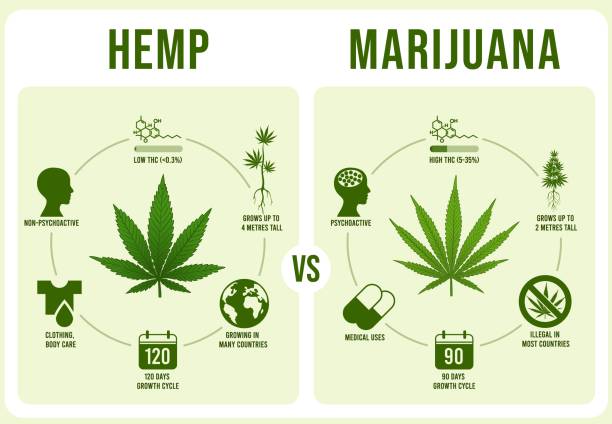
CBD is a non-psychoactive cannabinoid that does not cause a high. It primarily acts on CB2 receptors and has anti-inflammatory, analgesic, and anxiolytic properties. CBD is frequently used in medical therapy to treat conditions such as anxiety disorders, epilepsy, and inflammatory diseases
What Are Cannabinoids?
Let’s start with a simple explanation: Cannabinoids are chemical compounds found in the cannabis plant that can bind to cannabinoid receptors in the human endocannabinoid system. THC and other cannabinoids were first discovered by Dr. Raphael Mechoulam. This system plays a crucial role in regulating various physiological processes such as pain perception, mood, appetite, and memory.
The cannabis plant has been used medicinally and recreationally for thousands of years, but only recently have its constituents been identified. There are more than 550 chemical compounds in cannabis, with more than 100 phytocannabinoids being identified, including Δ9-tetrahydrocannabinol (THC) and cannabidiol (CBD) . These phytocannabinoids work by binding to the cannabinoid receptors, as well as other receptor systems .

THC (Tetrahydrocannabinol)
THC is the best-known cannabinoid and the main component of cannabis responsible for its psychoactive effects. It interacts with the CB1 receptors of the endocannabinoid system and can induce feelings of euphoria, relaxation, and increased appetite. THC is frequently used in medical treatment to alleviate symptoms such as chronic pain, nausea, and loss of appetite .
CBD (Cannabidiol)
CBD is a non-psychoactive cannabinoid that does not cause a high. It primarily acts on CB2 receptors and has anti-inflammatory, analgesic, and anxiolytic properties. CBD is frequently used in medical therapy to treat conditions such as anxiety disorders, epilepsy, and inflammatory diseases .
CBG (Cannabigerol)
CBG is a non-psychoactive cannabinoid that acts as a precursor to many other cannabinoids. It is being researched for its potential antibacterial and anti-inflammatory properties and could be beneficial in the treatment of glaucoma and inflammatory bowel diseases
CBC (Cannabichromene)
CBC stands for cannabichromene and, like THC, CBD, and CBG, is one of the important cannabinoids in the cannabis plant. Unlike THC, CBC does not produce a high but instead exerts subtle yet medically relevant effects. Initial studies show that CBC influences the endocannabinoid system, particularly interacting with receptors that regulate pain perception, inflammation, and mood balance .
CBN (Cannabinol)
CBN stands for cannabinol and is a naturally occurring cannabinoid in the cannabis plant. It is formed when THC oxidizes over a prolonged period – for example, through exposure to light or oxygen. Long-stored cannabis flowers therefore often contain higher levels of CBN. CBN is particularly interesting for researchers because it may have sleep-inducing, pain-relieving, and antibacterial properties. Unlike THC, however, CBN produces little to no “high,” but rather has a subtle and calming effect .
THCV (Tetrahydrocannabivarin)
THCV stands for tetrahydrocannabivarin and is a rarer cannabinoid found primarily in African landrace strains such as Durban Poison and Malawi Gold. Unlike THC, it has little to no psychoactive effect at low doses. However, at higher doses, it can produce milder, more lucid effects. The potential role of THCV in medicine is particularly interesting: it could regulate metabolism, suppress appetite, and reduce inflammation
The Entourage Effect – How Cannabinoids Work Together
Cannabinoids have effects both individually and in combination. In combination with terpenes, cannabinoids produce the entourage effect. CBD can soften the effects of THC and have a calming effect, while terpenes like limonene or linalool influence mood and relaxation. In practical terms, this means that strains, oils, and extracts have noticeably different effects depending on their composition. Therefore, it’s worthwhile to choose products specifically based on the desired effect
Top Cannabinoids and Their Effects
Here is a comprehensive cannabinoid table with their primary effects:
Understanding Cannabis Flower UK
When you buy cannabis flower UK, you are purchasing the flowering portion of the cannabis plant, which is where cannabinoids are most concentrated. The cannabis flower contains the highest levels of cannabinoids and terpenes, making it the most sought-after part of the plant for both recreational and medicinal use .
The Anatomy of Cannabis Flower:
The female cannabis plant is composed of several key parts, including the cola (flowering portion), pistils, bracts, trichomes, sugar leaves, fan leaves, stem, branches, and roots . Trichomes are hairlike appendages that contain cannabinoids and terpenes – the compounds most sought after by those growing for flower or extractions .
Why Flower Matters:
The cannabinoid content in cannabis flower can vary significantly depending on the strain, growing conditions, and harvest timing. Research shows that THCA content in Cannabis sativa plants can reach up to approximately 80 mg/g in leaves and 200 mg/g in flowers . This is why the flower is the most valuable part of the plant for cannabinoid extraction and consumption.
Frequently Asked Questions About Cannabinoids
What are cannabinoids?
Cannabinoids are chemical compounds found in the cannabis plant that can bind to cannabinoid receptors in the human endocannabinoid system. There are over 100 different cannabinoids in the cannabis plant
How do cannabinoids work in the body?
What is the difference between THC and CBD?
What are the effects of CBG?
What is CBN good for?
CBN is a cannabinoid formed when THC oxidizes. It may have sleep-inducing, pain-relieving, and antibacterial properties. Unlike THC, CBN produces little to no “high”
What is the entourage effect?
The entourage effect is the combined effect of all cannabinoids and terpenes working together. This is why two strains with identical THC content can have completely different effects
Where can I buy cannabis flower UK?
When looking to buy cannabis flower UK, it’s essential to choose a trusted source. At Kush King UK, we offer a curated selection of cannabis products for research and collection purposes. Always ensure you are compliant with UK law.
Understanding cannabinoids is essential for making informed decisions about cannabis. From THC and CBD to CBG, CBC, and CBN, each cannabinoid plays a unique role in shaping the effects of cannabis. Whether you’re exploring cannabis flower UK for the first time or refining your knowledge, this guide provides the foundation you need. When you’re ready to buy cannabis flower UK, choose a trusted source like Kush King UK.