
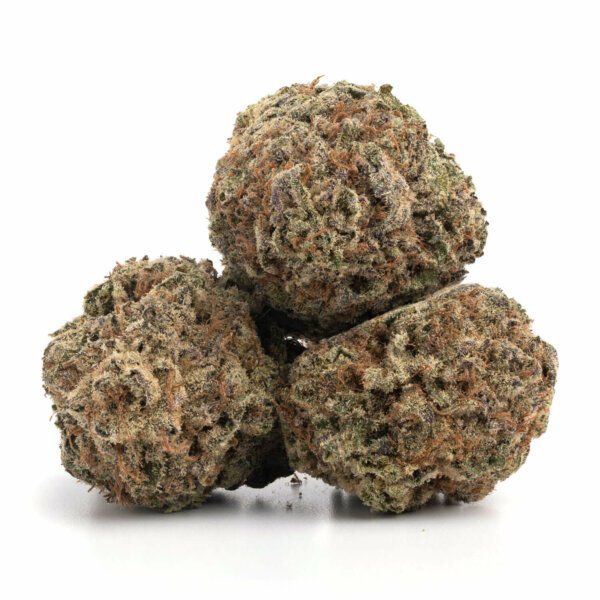
Medical Cannabis UK: Legal Access & Prescription Guide 2025
Accessing medical cannabis UK legally is more straightforward than many people realise — but the process looks nothing like the recreational market or the CBD products on your local high street.
Since November 2018, specialist doctors in the UK have been able to prescribe cannabis-based products for medicinal use (CBPMs) to patients with specific, treatment-resistant conditions. Yet according to Drug Science, fewer than 10,000 patients currently hold a legal prescription — a fraction of the estimated 1.4 million people self-medicating with illegal cannabis for chronic pain alone.
This guide walks you through exactly how to get a medical cannabis prescription UK, which conditions qualify, what it costs, and how to choose between private clinics and the NHS.
Is Medical Cannabis Legal in the UK?
Yes, but with strict limitations.
On 1 November 2018, the UK government rescheduled cannabis-derived medicinal products from Schedule 1 to Schedule 2 under the Misuse of Drugs Regulations 2001. This change allowed specialist doctors to prescribe unlicensed cannabis-based products where there is genuine clinical need and published evidence of benefit.
However — and this is critical — this does not mean cannabis is legal for recreational use. It remains a Class B drug for non-medical purposes. Possession without a valid prescription carries penalties of up to 5 years imprisonment.
What is legal: Cannabis-based products for medicinal use (CBPMs) prescribed by a GMC-registered specialist doctor on the Specialist Register of the General Medical Council.
What is not legal: Smoking cannabis flower (prescriptions are for vaporising only), growing your own plants, buying from unlicensed sources, or receiving a prescription from a non-specialist (including most GPs).
Key distinction: CBD oil sold in health food shops is not medical cannabis. It contains negligible THC and is regulated as a food supplement. Medical cannabis contains varying ratios of THC and CBD and is a prescription-only medicine.
NHS vs Private Medical Cannabis: The Critical Difference
One of the most misunderstood aspects of medical cannabis UK is the divide between NHS access and private clinic access.
Medical Cannabis on the NHS
The NHS will prescribe cannabis-based medicines in extremely limited circumstances. As of 2025, NHS prescriptions are almost exclusively for:
Nabilone (synthetic cannabinoid) for chemotherapy-induced nausea
Sativex (oromucosal spray) for multiple sclerosis spasticity — and even then, only after a regional NHS commissioning process
Epidyolex (pure CBD) for two rare forms of childhood epilepsy (Dravet syndrome and Lennox-Gastaut syndrome)
For conditions like chronic pain, anxiety, or insomnia, the NHS does not routinely prescribe medical cannabis. NICE guidelines (NG144) found insufficient evidence to recommend CBPMs for chronic pain outside of clinical trials.
Result: Less than 100 patients in the UK receive unlicensed CBPMs on the NHS each year.
Private Medical Cannabis Prescriptions
The vast majority of legal medical cannabis UK patients access treatment through private clinics.
These clinics operate under the same legal framework — specialist doctors, Home Office compliant — but you pay privately. There are now over 20 active clinics in the UK, including:
| Clinic Name | Established | Notable Features |
|---|---|---|
| Sapphire Medical Clinic | 2019 | Largest patient base; low consultation fees |
| Integro Medical Clinics | 2021 | Focus on pain and mental health |
| Cantourage UK | 2022 | German parent company; wide product range |
| Leva Clinic | 2021 | Pain specialist; psychology integration |
| Mamedica | 2021 | Access Scheme for benefit recipients |
| Lyphe (formerly TMCC) | 2018 | One of the oldest; international network |
Typical patient journey:
Online eligibility screening (free)
Book consultation with specialist (£50–£150)
Receive prescription if approved
Pharmacy ships medication (£50–£300 per month)
Follow-up consultation required every 1–3 months (£49–£99)
What Conditions Qualify for Medical Cannabis UK?
You cannot walk into a clinic and request a medical cannabis prescription UK for any reason. Clinics must follow evidence-based guidelines, typically requiring:
A diagnosed condition from a recognised list
At least two conventional treatments tried (and failed or caused intolerable side effects)
Symptoms that significantly impact quality of life
Conditions Most Commonly Approved
| Condition Category | Specific Examples | Evidence Strength |
|---|---|---|
| Chronic Pain | Neuropathic pain, fibromyalgia, arthritis | Moderate (patient reported) |
| Mental Health | Treatment-resistant anxiety, PTSD, depression | Emerging |
| Neurological | Epilepsy (rare forms), MS spasticity, Tourette’s | Strong for epilepsy/MS |
| Gastrointestinal | Crohn’s disease, ulcerative colitis | Mixed |
| Palliative Care | Cancer pain, appetite stimulation, nausea | Moderate |
What clinics rarely prescribe for: Acute pain, opioid withdrawal, bipolar disorder (manic phase), psychotic disorders, pregnancy, or under-18s outside specialist paediatric services.
Real Patient Statistics
According to the UK Medical Cannabis Registry (King’s College London):
57% of patients are prescribed for chronic pain
18% for anxiety disorders
8% for multiple sclerosis
6% for epilepsy
11% for other conditions
Patient-reported outcomes after 3 months of treatment show:
Pain scores reduced by an average of 23%
Sleep quality improved by 31%
Anxiety symptoms reduced by 27%
Overall quality of life improved in 65% of patients
How to Get a Medical Cannabis Prescription UK: Step-by-Step
If you believe you qualify for medical cannabis UK, follow this exact process.
Step 1: Check Basic Eligibility
Before contacting any clinic, confirm you meet the minimum criteria:
UK resident (England, Scotland, Wales, or Northern Ireland — though NI has different pharmacy arrangements)
18 years or older (some clinics accept 16+ with guardian consent)
Diagnosed with a qualifying condition by a UK GP or consultant
Failed at least two conventional treatments for that condition
Not currently experiencing psychosis or unstable bipolar disorder
Step 2: Request Your Summary of Care Record (SCR)
Clinics need your medical history. Contact your GP surgery and request your Summary of Care Record — this includes your diagnoses, prescribed medications, and referral letters.
GPs must provide this within 28 days under GDPR. Some charge a small admin fee (£10–£30). Be clear you are seeking a private second opinion for treatment.
Step 3: Complete Free Eligibility Screening
Most clinics offer a free online screening form. You will provide:
Your condition(s)
Previous medications (failed treatments)
Current medications
Brief medical history
The clinic will respond within 24–72 hours with either an invitation to book a consultation or a rejection (with reasons).
Step 4: Book Specialist Consultation
If eligible, book a video consultation with a specialist doctor (usually a psychiatrist, pain consultant, or neurologist).
What to expect:
30–45 minute appointment
In-depth discussion of your symptoms, history, and goals
Explanation of risks and benefits (including dependency, psychosis risk for predisposed individuals)
Shared decision making on product type (oil vs flower vs capsules)
Cost range: £50–£150 for initial consultation. Some clinics offer lower rates (£49) but longer wait times.
Step 5: Receive Prescription (If Approved)
If the specialist agrees cannabis is appropriate, they issue a private prescription to a linked pharmacy (e.g., Curaleaf, Specials Pharma, IPS Pharma).
Approval rates: Reputable clinics approve approximately 70–85% of eligible patients who complete a consultation.
Step 6: Pharmacy Contact and Payment
The pharmacy contacts you within 1–3 days to arrange payment and delivery.
Typical medication costs:
CBD oil (100mg/ml, 30ml): £80–£150
Mixed THC/CBD oil (20mg/ml THC + 20mg/ml CBD): £100–£200
Dried flower (5g–10g): £50–£150 depending on strain and potency
Capsules (10mg THC, 30 count): £80–£120
Step 7: Follow-Up Consultations
You cannot get a repeat prescription without a follow-up consultation. Clinics require follow-ups every 1–3 months for the first year, then potentially every 6 months.
Follow-up costs: £49–£99
How Much Does Medical Cannabis Cost in the UK?
This is the most common question after “does it work?” Here is real, transparent pricing as of 2025.
Breakdown of Annual Costs
| Expense | Low Estimate | High Estimate |
|---|---|---|
| Initial consultation | £50 | £150 |
| Follow-ups (4 per year) | £196 | £396 |
| Medication (monthly) | £600 (£50×12) | £2,400 (£200×12) |
| Total annual | £846 | £2,946 |
Some clinics offer access schemes for patients on means-tested benefits (Universal Credit, PIP, ESA). For example:
Mamedica Access Scheme: £200 for initial + follow-ups (normally £1,000+)
Integro GAP Scheme: Reduced consultation fees for benefit recipients
Is it worth it? For patients who have exhausted conventional treatments and experience debilitating symptoms, many report the cost is justified by improved quality of life, reduced sick days, and lower reliance on opioids or benzodiazepines.
Can My GP Prescribe Medical Cannabis?
No — with a very narrow exception.
Most GPs cannot prescribe unlicensed CBPMs because they are not on the GMC Specialist Register. Even GPs with specialist training rarely have the required Home Office licence.
The exception: If a specialist clinic initiates treatment, your GP might agree to a shared care agreement. This means the specialist recommends doses and the GP issues NHS prescriptions. In practice, very few GPs agree to this due to liability and lack of training.
Realistic expectation: You will remain under private care for the foreseeable future.
Can I Drive on Medical Cannabis UK?
This is a legally complex area with serious consequences.
The law: Under the Road Traffic Act 1988, it is an offence to drive with specified controlled drugs above certain limits in your blood. Cannabis (THC) is a specified drug.
The limit for THC: 2 micrograms per litre of blood — extremely low. Regular users can exceed this 24–48 hours after last use, even without feeling impaired.
The defence: There is a statutory medical defence if you are taking the medication as prescribed and not impaired. However, the burden of proof is on you.
Practical Advice for Drivers
Inform the DVLA of your prescription (failing to do so is an offence if your condition affects driving)
Do NOT drive if you feel any impairment (drowsiness, slowed reaction time, altered perception)
Keep your prescription and clinic letters in your vehicle
Consider switching to CBD-dominant oils if driving is essential
Some patients choose to avoid driving entirely
CQC and clinic warnings: Every legitimate clinic will discuss driving risks during your consultation. Ignoring this advice invalidates your defence.
Medical Cannabis UK vs CBD: Key Differences
This confusion is so common it deserves its own section.
| Feature | Medical Cannabis (CBPM) | CBD Oil (Over Counter) |
|---|---|---|
| Legal status | Schedule 2 controlled drug | Food supplement |
| Prescription required | Yes (specialist doctor) | No |
| THC content | 0.1% – 90% (variable) | <0.01% (trace) |
| Psychoactive effects | Yes (for THC-dominant products) | No |
| Cost | £50–£300+ per month | £20–£100 per bottle |
| NHS availability | Extremely rare | No |
| Evidence for chronic pain | Moderate (patient reported) | Very weak |
Bottom line: If you have tried CBD and it did not work, that does not predict how medical cannabis will affect you. CBD lacks the psychoactive THC component that many patients find therapeutically valuable for pain, sleep, and mood.
Frequently Asked Questions (FAQ)
1. Can I get medical cannabis on the NHS?
Only in very specific circumstances: for MS spasticity (Sativex), rare childhood epilepsy (Epidyolex), or chemo-induced nausea (Nabilone). For chronic pain, anxiety, or insomnia, the NHS does not prescribe unlicensed CBPMs. You will need to go private.
2. How much does a private medical cannabis prescription cost?
Initial consultations range from £50 to £150. Monthly medication costs between £50 and £300 depending on product type and dosage. Follow-ups every 1–3 months cost £49–£99. Annual total typically £850–£3,000.
3. What conditions qualify for medical cannabis in the UK?
Chronic pain (neuropathic, fibromyalgia, arthritis), treatment-resistant anxiety, PTSD, multiple sclerosis spasticity, epilepsy (specific forms), chemotherapy-induced nausea, and palliative care. You must have tried at least two conventional treatments that failed.
4. Is medical cannabis legal in the UK in 2025?
Yes, but only with a valid prescription from a GMC-registered specialist doctor on the Specialist Register. Recreational use remains illegal. Unlicensed possession without a prescription carries penalties including imprisonment.
5. Can my GP prescribe medical cannabis?
No, except in extremely rare shared care agreements after a specialist initiates treatment. Most GPs lack the required Home Office licence and specialist register status. Plan to remain under private clinic care.
6. Can I drive on medical cannabis?
You risk exceeding the legal THC limit even if not impaired. There is a medical defence if you drive without impairment and follow your prescription exactly, but the burden of proof is on you. Discuss this thoroughly with your clinic.
7. How long does a medical cannabis consultation take?
Initial consultations typically last 30–45 minutes. Follow-ups are shorter at 15–30 minutes. The doctor will review your medical history, discuss treatment goals, explain risks, and decide on a product if appropriate.
8. Will medical cannabis show up on a drug test?
Yes. THC and its metabolites will appear on standard urine, blood, or saliva drug tests. If you are subject to workplace testing, inform your occupational health team and provide your prescription documentation.
9. Which is the best medical cannabis clinic in the UK?
There is no single “best” clinic — it depends on your condition and budget. Sapphire has the largest patient base and lowest initial cost. Integro and Mamedica offer benefit access schemes. Leva specialises in pain with psychology integration. Compare waiting times, follow-up costs, and product ranges.
10. What is the difference between medical cannabis and CBD oil?
Medical cannabis contains THC (the psychoactive component) and requires a prescription. CBD oil sold over the counter contains negligible THC and is regulated as a food supplement, not a medicine. Medical cannabis costs significantly more but has stronger evidence for conditions like chronic pain.
Conclusion: Is Medical Cannabis UK Right for You?
Accessing medical cannabis UK legally requires navigating a private system that is still evolving. The process is straightforward — eligibility check, consultation, prescription, delivery — but it comes with real costs and legal responsibilities.
For patients who have exhausted conventional treatments and continue to suffer from chronic pain, anxiety, PTSD, or neurological conditions, the evidence suggests meaningful improvements in quality of life are possible. The UK Medical Cannabis Registry data shows 65% of patients report better overall wellbeing within three months.
However, this is not a quick fix. You will invest time (medical records, consultations), money (£850–£3,000 annually), and mental energy (managing driving risks, workplace drug testing, and the stigma that still surrounds cannabis).
Before you book a consultation:
Request your Summary of Care Record from your GP
Check clinic eligibility criteria carefully
Budget for at least 6 months of treatment before deciding
Discuss driving and employment implications with your clinic
The legal landscape for medical cannabis UK continues to develop. More clinics open each year. Prices are slowly falling as competition increases. And patient numbers — while still tiny compared to the 1.4 million self-medicating illegally — are growing month by month.
If you believe you qualify and have the resources to pursue private treatment, the pathway exists. Use it.
Ready to Check Your Eligibility?
Most UK clinics offer a free, no-obligation eligibility screening that takes less than 5 minutes.