
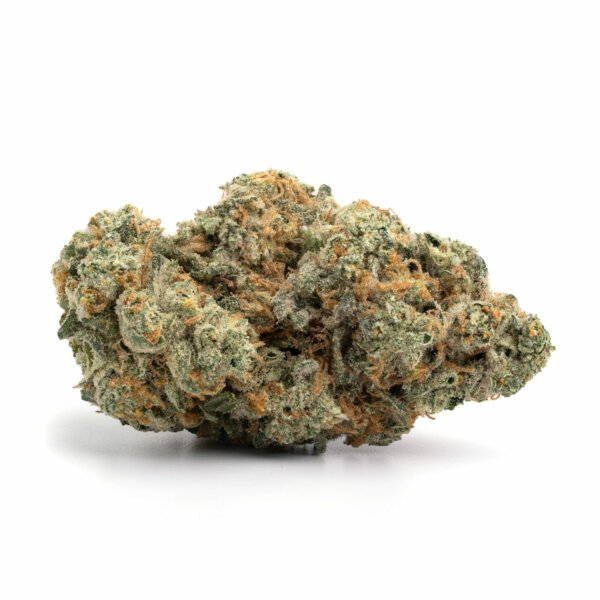
Description
Durban Poison Strain – South African Sativa Landrace
Durban Poison strain is one of the best-known South African cannabis varieties and has played an important role in the history of modern sativa genetics. Associated with the Durban region of South Africa, the strain became internationally recognised for its distinctive growth characteristics, aromatic profile and reputation for producing an uplifting experience.
Unlike many contemporary cannabis varieties created through extensive hybridisation, Durban Poison is historically associated with South African landrace genetics. Its background has helped make it an important reference point for cannabis enthusiasts, researchers and people interested in the development of modern cannabis cultivars.
What Is the Durban Poison Strain?
Durban Poison is generally classified as a sativa or sativa-dominant cannabis variety with origins connected to South Africa. Its name comes from Durban, a major coastal city in the country’s KwaZulu-Natal province.
The strain became increasingly recognised outside Africa during the twentieth century and subsequently became part of the genetic history of numerous modern cannabis varieties.
Today, Durban Poison is commonly associated with an energetic reputation, distinctive aroma and comparatively clear-headed reported experience. However, characteristics can vary between individual plants, phenotypes and cultivation environments.
Durban Poison Origin and History
The historical identity of Durban Poison is closely connected with southern African cannabis populations. Cannabis has a long history of cultivation in parts of Africa, where locally adapted varieties developed distinctive characteristics over generations.
Durban Poison genetics were later introduced to international cannabis breeding communities. Selective breeding contributed to the versions of Durban Poison encountered today.
This history is one reason the variety continues to attract attention. It represents an older genetic lineage compared with many modern commercial hybrids containing genetics from numerous parent strains.
Is Durban Poison a Sativa?
Durban Poison is widely described as a sativa and is frequently associated with traditional sativa characteristics. These can include comparatively narrow leaves, vigorous vertical growth and an experience commonly described by users as more stimulating than sedating.
Modern cannabis classifications should nevertheless be interpreted carefully. The effects and chemical characteristics of a cannabis product cannot be determined reliably from the words “sativa” or “indica” alone.
Cannabinoid concentration, terpene composition, individual physiology and numerous other factors can influence the experience.
Durban Poison Aroma and Flavour Profile
One of the most recognisable characteristics associated with Durban Poison is its aromatic complexity. Descriptions commonly combine sweet, herbal and spicy elements.
Frequently reported aroma and flavour characteristics include:
- Sweet herbal notes
- Earthy undertones
- Spicy or anise-like characteristics
- Subtle citrus notes
- Pine-like aromas
- Fresh botanical characteristics
The precise profile can differ considerably between batches because terpene composition is affected by genetics, cultivation, harvesting, processing and storage.
Durban Poison Terpene Profile
Terpenes are aromatic compounds found throughout the plant kingdom, including in cannabis. They contribute significantly to the aroma and flavour associated with individual cannabis varieties.
Durban Poison samples are frequently associated with terpenes such as terpinolene, myrcene and other aromatic compounds. However, a specific terpene profile should not be assumed for every product carrying the Durban Poison name.
Only batch-specific laboratory analysis can establish the actual terpene concentrations present in an individual sample.
Durban Poison THC Content
THC concentration in Durban Poison is not represented accurately by one universal percentage. Cannabis marketed under the same strain name can have different cannabinoid concentrations depending on genetics and cultivation conditions.
Published descriptions sometimes report moderate to relatively high THC concentrations for Durban Poison, but these figures should be treated as general references rather than guaranteed specifications.
Where cannabinoid concentration matters, batch-specific laboratory results provide more meaningful information than a strain-wide percentage estimate.
Reported Durban Poison Effects
Durban Poison has developed a reputation for an uplifting and stimulating experience. User reports commonly associate the strain with feelings described as energetic, alert, creative or euphoric.
Frequently reported characteristics include:
- Uplifting sensations
- Increased alertness
- Energetic feelings
- Changes in perception
- Euphoria
- Changes in attention or thought patterns
These are subjective reports rather than guaranteed effects. Cannabis can affect individuals differently depending on cannabinoid exposure, tolerance, physiology, other substances and numerous environmental factors.
Potential Adverse Effects
Cannabis can also cause unwanted effects. THC-containing cannabis may produce anxiety, impaired coordination, altered judgement, increased heart rate, dizziness or changes in perception.
Higher-THC products can produce more intense effects, particularly for individuals with limited tolerance. A strain’s reputation for being uplifting or clear-headed should therefore not be interpreted as evidence that it is risk-free.
Durban Poison Genetics
Durban Poison is notable partly because of its association with older South African cannabis genetics. These genetics have also contributed to breeding projects and descendants within modern cannabis cultivation.
As cannabis breeding has expanded internationally, however, products sold under historical strain names can differ genetically. The name Durban Poison does not necessarily guarantee that every modern example has an identical genetic composition.
Durban Poison Seeds and Genetic Preservation
Durban Poison seeds are of interest within discussions of cannabis genetics because of the strain’s historical association with South African landrace populations.
Preserving older cannabis genetics can help researchers and breeders examine genetic diversity and understand relationships between historic populations and modern cultivars.
Cannabis seed possession, germination and cultivation are subject to different laws depending on jurisdiction. Applicable local regulations should therefore be considered separately from botanical or genetic information.
Durban Poison Compared With Modern Hybrids
One reason Durban Poison remains notable is its historical position relative to heavily hybridised modern cannabis varieties.
Many contemporary strains have complicated family trees involving several generations of crosses. Durban Poison, by contrast, is commonly discussed in connection with older South African genetics.
This distinction has contributed to its continued importance in conversations about cannabis breeding, genetic diversity and strain history.
Frequently Asked Questions About Durban Poison
What is the Durban Poison strain?
Durban Poison is a cannabis variety historically associated with South Africa. It is generally classified as a sativa and is known for its distinctive aromatic characteristics and stimulating reputation.
Where does Durban Poison originate?
The strain is associated with the Durban region of South Africa and with cannabis genetics originating in southern Africa.
Is Durban Poison indica or sativa?
Durban Poison is generally classified as a sativa. However, sativa and indica labels alone cannot reliably predict the chemical composition or effects of an individual cannabis product.
What does Durban Poison smell like?
Descriptions commonly mention sweet, herbal, spicy, earthy, citrus and sometimes anise-like characteristics. The actual aroma depends on the terpene composition of the individual sample.
What terpenes are associated with Durban Poison?
Terpinolene and myrcene are among the terpenes frequently associated with Durban Poison descriptions. Exact terpene concentrations require laboratory testing of the particular batch.
How strong is Durban Poison?
There is no single THC percentage applicable to every Durban Poison product. Potency can vary substantially according to phenotype, cultivation conditions and individual batches.
What effects is Durban Poison known for?
Durban Poison has a reputation for energetic, uplifting and cerebral effects. These descriptions are based largely on user reports and should not be interpreted as guaranteed outcomes.
Is Durban Poison a landrace strain?
Durban Poison is commonly associated with South African landrace genetics. Modern examples may nevertheless have undergone generations of selection and breeding since the genetics were introduced internationally.
Understanding the Durban Poison Strain
The Durban Poison strain remains one of the most recognisable names associated with South African cannabis genetics. Its historical background, sativa classification and distinctive aromatic characteristics have contributed to its continuing prominence in cannabis culture and breeding.
Individual products carrying the Durban Poison name can nevertheless vary in cannabinoid concentration, terpene composition and genetics. Specific potency or composition claims should therefore be supported by batch-specific testing rather than assumed from the strain name alone.
Mario Dawson (verified owner) –
I was skeptical about it at first, however I was pleasantly surprised with the entire experience. My orders are always delivered sooner than expected and the flowers are certainly of good quality. I’m a stroke victim and a heavy smoker for medical and recreational benefits and I was paying almost double the price buying from local dispensaries for the same effects. My favorite strain is the Bubblegum gelato. It’s a must try. Hope this helps for anyone considering.